
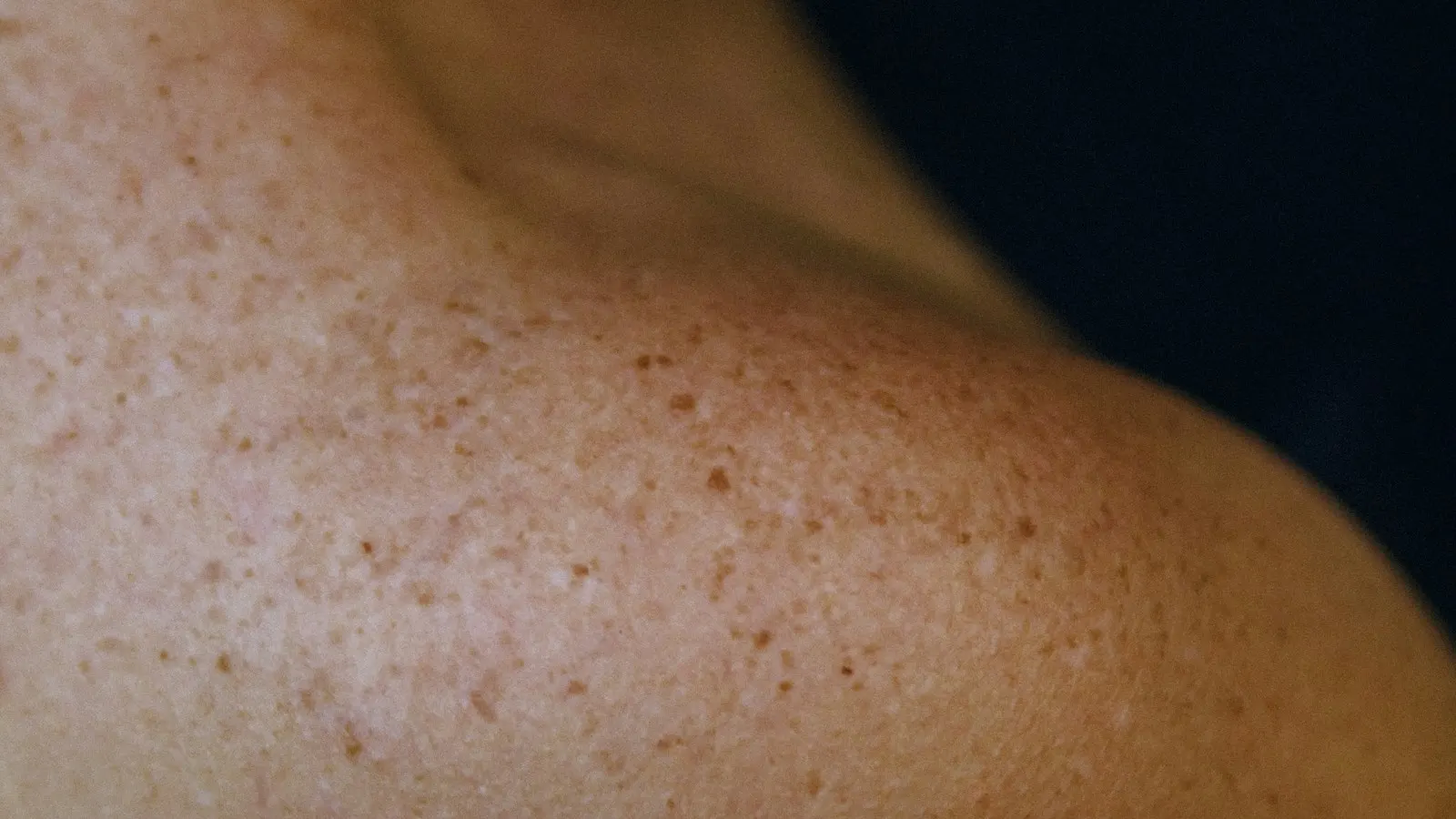
Ringworm is a skin infection caused by fungi, not a worm, and it usually clears with the right antifungal treatment used for long enough. What turns a simple infection into a stubborn one is rarely the fungus itself. It is a wrong guess about what the rash is, a steroid cream applied "just in case", or treatment stopped too early.
The short answer
Ringworm (tinea) is a fungal infection of the skin, hair or nails. It typically appears as an itchy, ring-shaped, scaly patch with a raised edge. Treatment usually means an appropriate antifungal, applied beyond the visible edge and continued for the period advised, along with keeping the skin dry and not sharing towels or shoes.
Avoid steroid creams on any undiagnosed rash. They can hide a fungal infection for a few days, then let it spread. Scalp and nail infections generally need a doctor.
What is ringworm, and why is it called that?
Ringworm has nothing to do with worms. It is an infection by dermatophyte fungi, organisms that feed on keratin, the protein that makes up the outer layer of skin, hair and nails. The old name comes from the ring-shaped rash the fungus can create as it spreads outward.
Doctors call the condition tinea, followed by the body site involved:
- Tinea corporis: the body, the classic "ringworm"
- Tinea cruris: the groin and inner thighs, often called jock itch
- Tinea pedis: the feet, known as athlete's foot
- Tinea capitis: the scalp
- Tinea unguium: the nails
- Tinea faciei: the face
It is the same family of fungus in each place, which is why the advice below applies across all of them. If you have read about panau (tinea versicolor), that one is caused by a different, yeast-type organism and behaves differently.
How do you recognise a fungal skin infection?
The typical sign is an itchy, red, scaly patch with a raised, advancing edge and, often, clearer skin in the centre, which gives the ring look. The edge is where the fungus is most active, so it is the part that matters most when treating.
- Body: one or several expanding rings or oval patches, scaly at the border, usually itchy.
- Groin and folds: a red, well-edged rash that spreads outward from the crease, often worse with sweat and friction.
- Feet: peeling, cracking or soggy white skin between the toes, or dry scaling across the sole and sides of the foot.
- Nails: thickening, crumbling, yellow or brown discolouration, sometimes lifting from the nail bed.
- Scalp: scaly patches with broken hairs or patchy hair loss, more often seen in children.
Not every fungal rash looks like a textbook ring, especially after other creams have been used. That is why the look-alikes below matter.
What else can look like ringworm?
Several common conditions mimic ringworm, and they need completely different treatment. This table shows the usual differences, though only an examination can confirm which one you have.
| Condition | How it differs from ringworm |
|---|---|
| Fungal infection (tinea) | Scaly, advancing edge, often clearer centre; itchy; may spread over weeks |
| Nummular eczema | Coin-shaped, dry or weepy patches, often with a more uniform surface and no clearing centre; linked to dry, sensitive skin |
| Psoriasis | Thicker, well-defined plaques with silvery scale, often on elbows, knees or scalp; typically less itchy |
| Pityriasis rosea | A single larger "herald" patch followed by smaller oval patches along skin lines; usually settles by itself over weeks |
| Tinea versicolor (panau) | Fine scale with pale, pink or brown patches, mostly on the chest and back; little itch |
| Granuloma annulare | Smooth ring of small firm bumps without scale; usually not itchy |
How does ringworm spread, and why is it so common in Malaysia?
Ringworm spreads through direct skin contact and through shared surfaces, and it thrives in warm, humid conditions. That describes most of Malaysia for most of the year.
- Skin-to-skin contact with an infected person.
- Shared towels, clothing, combs and bedding.
- Gym floors, mats, communal showers and changing rooms.
- Infected animals, especially cats and dogs.
- Damp shoes and socks, which keep the feet warm and wet.
Sweat, tight clothing, long days in closed shoes and humid nights all keep skin moist enough for the fungus to settle. This is also why it recurs: the conditions that allowed the first infection are still there afterwards.
The steroid cream trap that makes ringworm stubborn
Steroid creams are one of the most common reasons a simple fungal infection becomes a difficult one. This includes "combination" creams that contain a steroid alongside other ingredients, and leftover eczema or rash creams from an earlier problem. An itchy red patch looks like eczema to most people.
The trouble is what happens next. A steroid dampens the inflammation, so the rash looks and feels better for a few days. But it does nothing to the fungus and it weakens the local immune response, so the infection spreads and loses its classic ring shape. Doctors call this tinea incognito: a fungal infection disguised by treatment. It can then look like eczema, psoriasis or an unidentifiable rash, which makes diagnosis harder and sometimes calls for a skin scraping to confirm.
If you have already used a steroid cream on a rash, there is no need to worry, but do tell the doctor and bring the tube. It helps them read the picture correctly. Our article on eczema creams in Malaysia explains when these products are appropriate and when they are not.
Why does ringworm keep coming back?
Ringworm returns because the fungus was not fully cleared or because the person was re-infected. The usual reasons are:
Why it keeps coming back
- Stopping when it looks better. The fungus can persist after the skin looks clear. Treatment generally needs to continue for a period beyond visible resolution, as your doctor or pharmacist advises.
- Treating only the visible patch. The fungus extends beyond the edge you can see, so the product should cover a margin around it.
- Re-infection. Shoes, socks, towels, household contacts and pets can all pass it back.
- Skin that stays damp. Folds, between toes and under tight clothing keep the conditions right for regrowth.
- Diabetes or lower immunity. These make infections more likely, more extensive and slower to clear.
- The wrong diagnosis. If it was never fungal, no antifungal will fix it, and a real fungal rash may be hidden by earlier steroid use.
Athlete's foot is a classic example. Many people treat the itchy toe web, stop when it settles, and then put the same damp socks and shoes back on. Within weeks it is back, and the infection can spread to the groin or nails.
Practical measures that reduce reinfection
Keeping skin dry and not sharing personal items does as much as the cream does. A sensible routine looks like this:
- Dry thoroughly after bathing, especially between the toes and in the groin, armpits and under the breasts.
- Wear breathable fabrics such as cotton, and change out of sweaty clothes promptly.
- Change socks daily, rotate your shoes and let them air out between wears.
- Do not share towels, clothing, combs or razors.
- Wash towels, socks and bedding in hot water while you are being treated.
- Treat every affected site at the same time. The feet are often the source of a groin infection.
- If a pet has patchy fur or scaly skin, have it checked by a vet, or you may keep re-infecting yourself.
- Wear flip-flops in communal showers and changing rooms.
What works and what does not
Effective ringworm treatment is simple; most harm comes from well-meant home remedies. This is the short version.
Do
- Use an appropriate antifungal exactly as directed
- Apply it beyond the edge of the patch, not only on it
- Keep going for the full period advised, even when it looks clear
- Keep the area clean and dry
- Treat feet, groin and body together if more than one is affected
- Wash or replace shoes, socks and towels
Don't
- Use steroid creams, combination creams or leftover eczema creams
- Use "whitening" or lightening creams on the rash
- Put alcohol, bleach, vinegar, lime, garlic or other home remedies on the skin
- Stop as soon as the itch settles
- Cover the area with heavy ointments that trap moisture
- Scratch, which breaks the skin and invites bacterial infection
Home remedies deserve a specific warning. Applying undiluted acidic, caustic or irritant substances to an already inflamed patch commonly causes chemical burns, irritation and dark marks that outlast the infection itself. They do not reliably treat the fungus.
Scalp, nails and children
Scalp and nail ringworm generally need medical treatment, often oral, because creams alone usually cannot reach the fungus. The organism lives inside the hair shaft and the nail plate, so a product applied to the surface rarely clears it. A doctor will confirm the diagnosis first, because several scalp problems look alike. Our guide to scalp problems such as dandruff, folliculitis and flaking explains the differences, and the scalp treatment page describes how scalp conditions are assessed.
In children, tinea capitis is contagious and needs a doctor. It typically causes round, scaly patches with patchy hair loss or broken hairs, and it can spread between children through shared combs, hats, pillows and close contact. Hair usually regrows once the infection is properly treated, but delay and the wrong cream can prolong it.
When do you need a visit, and when do you not?
A small, typical patch that is improving on an appropriate over-the-counter antifungal, used as directed, does not need a clinic visit. If the diagnosis is clear and the response is steady, carry on to the end of the advised treatment period.
See a doctor if any of these apply:
- You are unsure whether it is fungal or something else.
- You have already used a steroid cream or combination cream on it.
- The rash is widespread or still spreading.
- The scalp, nails or face are involved.
- It keeps coming back after treatment.
- You have diabetes or lower immunity.
- There is no improvement after a couple of weeks of correct treatment.
- A child has patchy hair loss with scaling.
At DSH, doctors are fully registered medical practitioners, well trained in evidence-based skin healthcare. They examine the rash, may take a quick skin scraping to confirm a fungus, and explain the plan, including how long to continue and how to prevent reinfection. It is part of our non-laser, non-aesthetic medical treatment for common skin infections, described on our fungal and bacterial skin infection page. If your bumps are on the face or back and look more like acne, read about fungal acne versus normal acne first.
You can see our Penang locations on the medical skin treatment in Penang page. No referral is needed.
Frequently asked questions
Is ringworm caused by a worm?
No. Ringworm has nothing to do with worms. It is a skin infection caused by dermatophyte fungi that feed on keratin, the protein in the outer skin, hair and nails. The name comes from the ring-shaped rash. Doctors call it tinea, followed by the body site involved.
How long does ringworm treatment take?
It depends on the site. Body and groin infections commonly need a few weeks of consistent treatment, and doctors usually advise continuing for a period after the skin looks clear because the fungus can persist beyond what you can see. Scalp and nail infections take longer and generally need medical treatment. Follow the duration your doctor or pharmacist advises.
Can I use my leftover eczema or steroid cream on a ring-shaped rash?
It is best not to. Steroid creams, including combination creams, can calm redness and itch briefly while allowing the fungus to spread, and the rash can change appearance so it becomes harder to diagnose. This is called tinea incognito. If you have already used one, tell the doctor and bring the tube.
Is ringworm contagious?
Yes. It spreads through skin contact, shared towels and clothing, gym floors, communal showers, damp shoes and infected pets such as cats and dogs. Household members can pass it back and forth, which is one reason it recurs. Washing towels and bedding hot and not sharing personal items reduces the risk.
Why does athlete's foot or groin fungus keep coming back?
Common reasons are stopping treatment once the skin looks better, treating only the visible patch, re-infection from shoes, socks or towels, persistently damp skin, and an undiagnosed condition that only looks like fungus. Diabetes and low immunity also make recurrence more likely. Treating every affected site and cleaning the environment matters as much as the cream.
Do scalp and nail ringworm need a doctor?
Usually yes. Fungus in hair roots and nails is hard to reach with topical products alone, so these infections generally need medical, often oral, treatment prescribed after a proper diagnosis. A child with patchy, scaly hair loss should be seen by a doctor because scalp ringworm is contagious.
When is a doctor visit not needed for ringworm?
A small, typical ring-shaped patch on the body that responds to an appropriate over-the-counter antifungal used exactly as directed may not need a visit. See a doctor if you are unsure of the diagnosis, have already used a steroid cream, the rash is widespread, the scalp, nails or face are involved, it keeps returning, you have diabetes or low immunity, or there is no improvement after a couple of weeks of correct treatment.
A rash that will not clear up?
Doctor-led, non-laser, non-aesthetic medical skin care for fungal infections, eczema, acne and more. No referral needed.
Find your Penang clinicContact us