
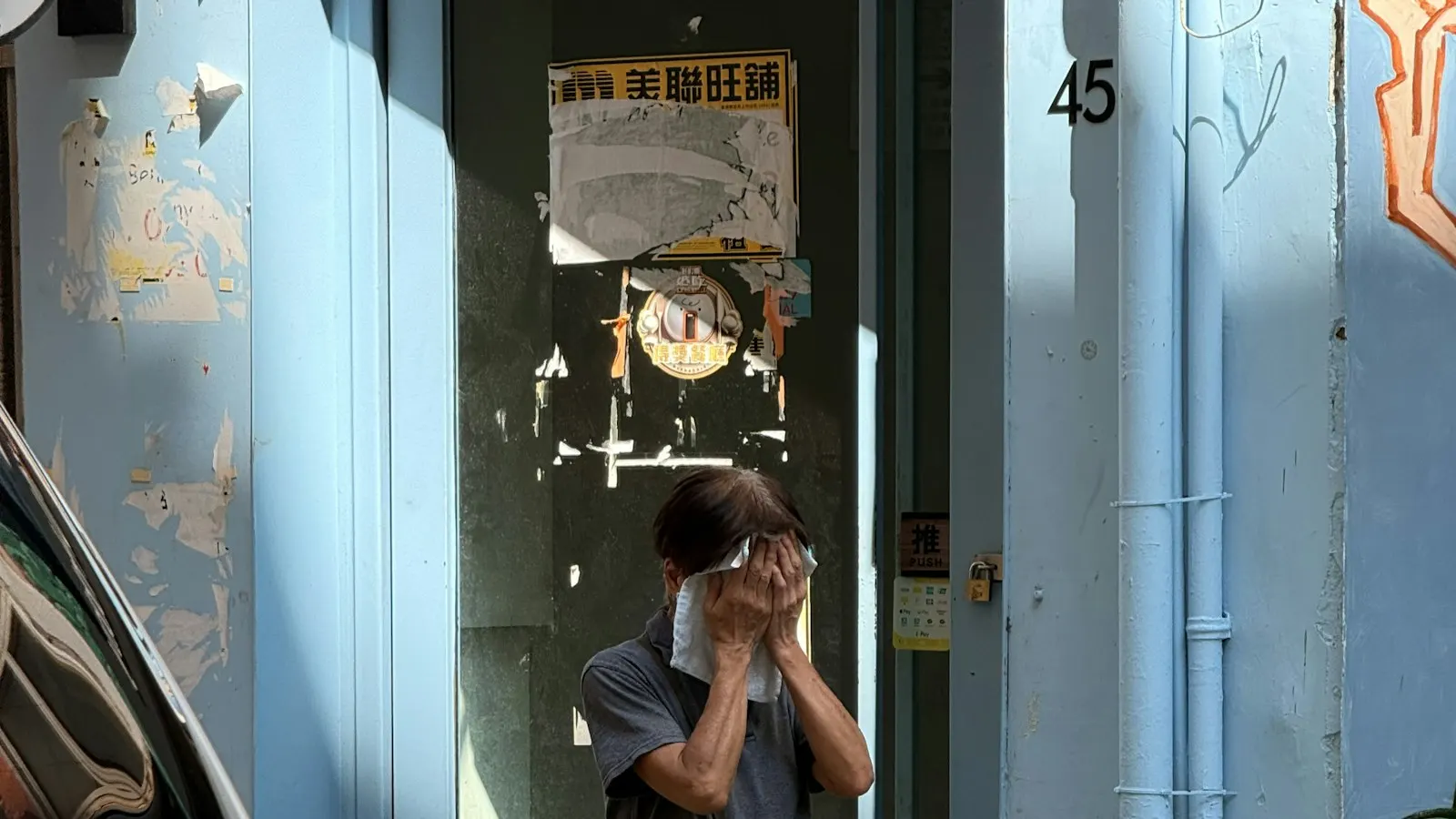
Skin conditions flare in Malaysia because year-round heat and high humidity keep skin sweaty, oily and covered, while air-conditioning repeatedly dries it out again. Different conditions respond to different parts of that cycle, which is why advice written for temperate climates often fails here. This guide explains what each factor does and what sensible self-care looks like.
The short answer
Heat and humidity change skin in four ways: sweat that cannot evaporate blocks and irritates skin, trapped moisture and oil feed bacteria and yeast, UV and heat worsen dark marks, and cold air-conditioning then strips moisture from the barrier.
Most flares settle with cooler, drier, gentler habits within one to two weeks. A rash that keeps returning in the same place, spreads, weeps or disturbs sleep should be examined rather than guessed at.
Why is Malaysian weather so hard on skin?
Temperatures hover around 30°C most of the year, and humidity is often well above 70%. At that humidity sweat evaporates poorly, so it sits on the skin instead of cooling it. Skin stays damp under clothing, helmets, bags, masks and shoes for hours.
Damp skin softens and becomes easier to irritate. Warm, oily moisture is also the environment that yeast and fungi prefer. Add UV that is strong every day of the year and offices cooled to a low temperature, and you have a set of pressures that rarely apply at the same time in cooler countries. Each pushes certain conditions harder, which is why this guide goes mechanism by mechanism.
What does sweat and trapped moisture do to skin?
When sweat is trapped under clothing or covering, it can block sweat ducts, inflame hair follicles and feed fungi. The result depends on where it happens and what grows there.
Heat rash (miliaria)
Heat rash appears as clusters of tiny, uniform bumps that itch, prickle or sting, usually on the neck, chest, back, waist or skin folds, where sweat is covered. It happens when sweat ducts are blocked and sweat leaks into the skin. It usually settles within days once the skin is cooled and kept dry.
Folliculitis
Folliculitis is inflammation of hair follicles, seen as small red or pus-topped bumps, often tender. Friction and trapped heat under helmets, backpack straps, tight clothing and gym wear are common triggers. Bacteria are a frequent cause, but yeast can be responsible too.
Yeast-related problems
Malassezia is a yeast that lives on normal skin and multiplies in warm, oily moisture. It can cause fungal (Malassezia) folliculitis, which looks like uniform, itchy, pimple-like bumps on the chest, back or forehead that do not respond to usual acne care. It also causes tinea versicolor, known locally as panau: pale, pink or brown patches with fine scale that show up on the upper body. Panau often returns in hot weather, as explained in our guide to why panau keeps coming back.
Fungal infections of folds, groin and feet
Ringworm, groin infections and athlete's foot are fungal infections of the skin surface. They like folds, between the toes and anywhere damp stays damp. Ringworm typically forms a ring with a clearer centre and a scaly, slightly raised edge; athlete's foot causes peeling, soggy or cracked skin between the toes. Persistently damp shoes and socks are a major reason it returns. You can read how these are assessed and managed on our fungal and bacterial skin infection page.
Why do eczema and psoriasis flare with sweat?
Sweat is a well-known itch trigger for many people with eczema. It irritates a barrier that is already weak, and as it dries it leaves salt on the skin. Flares often start in the elbow and knee creases, neck and hands, which are also the places that sweat most. Eczema in a humid climate is therefore often a sweat-and-friction problem as much as a dryness problem.
Inverse (skin-fold) psoriasis behaves similarly. It appears as smooth, red, sometimes shiny patches in the armpits, groin, under the breasts or between the buttocks, where skin rubs and stays moist. Because it can look like a fungal infection, using an antifungal cream by guesswork can waste weeks. Which brings us to why diagnosis matters, covered further below.
How does heat affect acne and dandruff?
Heat increases oil on the skin, and oil feeds both acne and seborrhoeic dermatitis. Seborrhoeic dermatitis causes greasy flaking and redness on the scalp, eyebrows, sides of the nose and chest, and is commonly called dandruff when it affects the scalp. It tends to worsen in heat and sweat, and with stress.
Acne in humid weather can also be mimicked by fungal folliculitis. If acne bumps are small, uniform and itchy, or have not responded to ordinary acne care, the cause may be yeast rather than acne bacteria. Our article on fungal acne versus normal acne explains how to tell them apart.
Why is my skin both sweaty and dry in the same day?
Moving from hot, humid outdoors into cold, dry air-conditioning pulls moisture out of the skin barrier. Air-conditioning lowers humidity sharply, and hours in it can leave skin tight, flaky and itchy, even though you were dripping with sweat on the way in.
Then the cycle repeats. A dry, cracked barrier is more easily irritated by the next round of sweat, soap and friction. This is why one person can have heat rash on their back, dry itchy shins and a flaking scalp in the same week. It also means a single product or routine rarely suits every area, which is where temperate-climate advice such as “moisturise heavily” falls short.
How do sun and heat worsen dark marks?
UV, visible light and heat all stimulate pigment cells, so melasma and post-inflammatory marks darken and linger. Post-inflammatory marks are the brown or dark patches left after acne, eczema or an insect bite. They fade slowly, and unprotected sun exposure keeps re-darkening them.
Sunscreen only works while it is still on the skin. Sweat, towelling and face-touching remove it, so it needs reapplying through the day, not just in the morning. See our page on hyperpigmentation for how pigment problems are assessed.
Can sweat and broken skin lead to infection?
Yes. Scratched, cracked or macerated (waterlogged) skin lets bacteria in. Scratching an itchy heat rash or eczema patch, picking at folliculitis, or a crack between the toes can all become secondary bacterial infections. Warning signs are increasing pain, warmth, swelling, yellow crusting, pus or spreading redness. These need medical attention rather than more home creams.
What actually helps in this climate?
The most effective habits are cool, brief, gentle washing and getting skin properly dry and out of damp fabric quickly.
Lukewarm, shorter showers
Hot water and frequent washing strip oils and worsen itch. Rinse after sweating, use a gentle cleanser, and pat dry.
Dry the places that stay damp
Skin folds, groin, underarms and between the toes. Leave them uncovered for a minute or two before dressing.
Change out of damp clothes promptly
Do not sit in sweaty gym wear or damp socks. Choose breathable, loose fabrics and carry a spare top if you commute on a motorbike.
Look after helmets, tudung and shoes
Dry hair and scalp before covering them, and wash or air helmet linings and headscarves regularly. Rotate shoes and let them dry fully between wears.
Match texture to place and time
Light, non-greasy textures by day and on oily or fungal-prone areas; a richer moisturiser at night and after long air-conditioned hours on dry areas.
Reapply sunscreen and do not share towels
Reapply sunscreen every couple of hours when outdoors. Keep your own towels, and wash them often.
What does not work?
These common habits tend to make humid-climate problems worse or delay the right diagnosis:
Do
- Keep skin clean, cool and dry
- Moisturise dry areas after showering
- Protect from sun and reapply
- Have a recurring rash looked at
Don't
- Layer heavy creams on oily or fungal-prone areas
- Use antifungal or steroid creams on an undiagnosed rash
- Scrub or over-wash
- Use “detox”, “cooling” or unregulated whitening creams
- Ignore a rash that keeps coming back
The treatment of an undiagnosed rash is the biggest trap. Eczema, fungal infection and inverse psoriasis can look alike, and the wrong cream can calm a rash briefly, change its appearance and make it harder to diagnose later.
Which problem is it?
This table is a guide to common patterns, not a diagnosis. Skin often overlaps, and a doctor can confirm what you have.
| What you notice | Likely cause | First step |
|---|---|---|
| Tiny, uniform, prickly bumps in sweaty, covered areas | Heat rash | Cool, loose clothing, keep dry; should settle in days |
| Red or pus-topped tender bumps around hairs, under helmets or straps | Folliculitis | Rinse and dry, avoid friction, do not squeeze; review if recurring |
| Itchy, uniform pimple-like bumps on chest, back or forehead that ignore acne care | Possible fungal folliculitis | Have it examined before changing treatments |
| Pale, pink or brown scaly patches on the upper body | Possible panau | Seek diagnosis; it commonly returns in hot weather |
| Ring-shaped scaly patch, or peeling between the toes | Possible ringworm or athlete's foot | Keep dry, rotate shoes; have it confirmed |
| Itchy, dry patches in elbow or knee creases, worse with sweat | Eczema flare | Lukewarm shower, gentle moisturiser; review if persistent |
| Smooth red patches in armpits, groin or under the breasts | Skin-fold irritation, fungal infection or inverse psoriasis | Do not guess with creams; get it diagnosed |
| Greasy flaking on scalp, brows or nose | Seborrhoeic dermatitis | Gentle regular washing; review if it persists |
| Dark patches that worsen outdoors | Melasma or post-inflammatory marks | Daily sunscreen with reapplication |
When do you not need a visit, and when do you?
Many mild, short-lived heat-related rashes settle by themselves within one to two weeks of sensible care. It is reasonable to wait if a rash is mild, not spreading, not painful and clearly improving once you cool down, dry off and stop irritating it.
See a doctor if the problem:
- keeps returning in the same place
- is spreading
- has not settled after one to two weeks of sensible care
- is painful, weeping or crusting
- causes itching that disturbs sleep
- involves any mark that is changing in size or colour
Fever with a rapidly spreading, painful rash needs prompt attention.
DSH provides medical skin care: doctors who are fully registered medical practitioners, trained in evidence-based skin healthcare, look for the cause rather than just suppressing symptoms. Treatment is non-laser and non-aesthetic medical treatment, with continuous follow-up so the plan can change as your skin does. You can see where to go on our Penang medical skin treatment page; no referral is needed.
Frequently asked questions
Why does my skin get worse in Malaysia's humid weather?
Constant heat and humidity keep skin damp, oily and covered for much of the day. Sweat that cannot evaporate blocks sweat ducts and irritates eczema, oil feeds acne and dandruff, and warm moisture suits yeast and fungi. Air-conditioning then dries the barrier, so skin can swing between sweaty and dry in a single day.
Is sweat bad for eczema?
Sweat is a well-recognised itch trigger for many people with eczema. It can irritate skin whose barrier is already weak, and salt left behind as sweat dries adds to the sting. Showering soon after sweating, drying gently and moisturising afterwards usually helps. A persistent flare should be reviewed by a doctor.
How do I tell heat rash from a fungal infection?
Heat rash usually appears as many tiny, uniform bumps in sweaty, covered areas and often settles within days once the skin is kept cool and dry. Fungal infections tend to form patches with a clearer edge, scaling or colour change, and they persist or spread. If you are unsure, have it examined before applying treatments.
Why do I get pimple-like bumps on my back, chest or forehead after exercise or wearing a helmet?
Sweat, friction and trapped heat can inflame hair follicles, causing folliculitis, which may be bacterial or yeast-related. Rinsing and changing out of damp clothing promptly, keeping helmet linings clean and drying hair before covering it all help. Bumps that are itchy, uniform or keep returning should be checked.
Should I use a thicker moisturiser in the humid weather?
Not on every area. Lighter textures usually suit oily, fungal-prone or sweaty areas by day, while a richer moisturiser at night or after air-conditioned hours suits dry, eczema-prone skin. Heavy layers over areas that trap sweat can make folliculitis or fungal problems worse.
Can I use antifungal or steroid cream I already have at home?
It is better not to guess. A rash that looks fungal may be eczema, and the reverse is also true, and the wrong product can hide the signs, worsen the problem or delay the right diagnosis. If a rash is not settling, a doctor can confirm the cause, sometimes with a simple skin scraping, before treatment starts.
When should I see a doctor about a heat-related rash?
See a doctor if it keeps coming back in the same place, is spreading, has not settled after one to two weeks of sensible care, is painful, weeping or crusting, disturbs your sleep, or if a mark is changing in size or colour. A rash with fever or rapidly spreading pain should be seen promptly.
Rash that keeps coming back? Find out why.
Doctor-led, non-laser, non-aesthetic medical skin care that looks for the cause, with follow-up until it is under control. No referral needed.
Find your nearest clinicContact us