
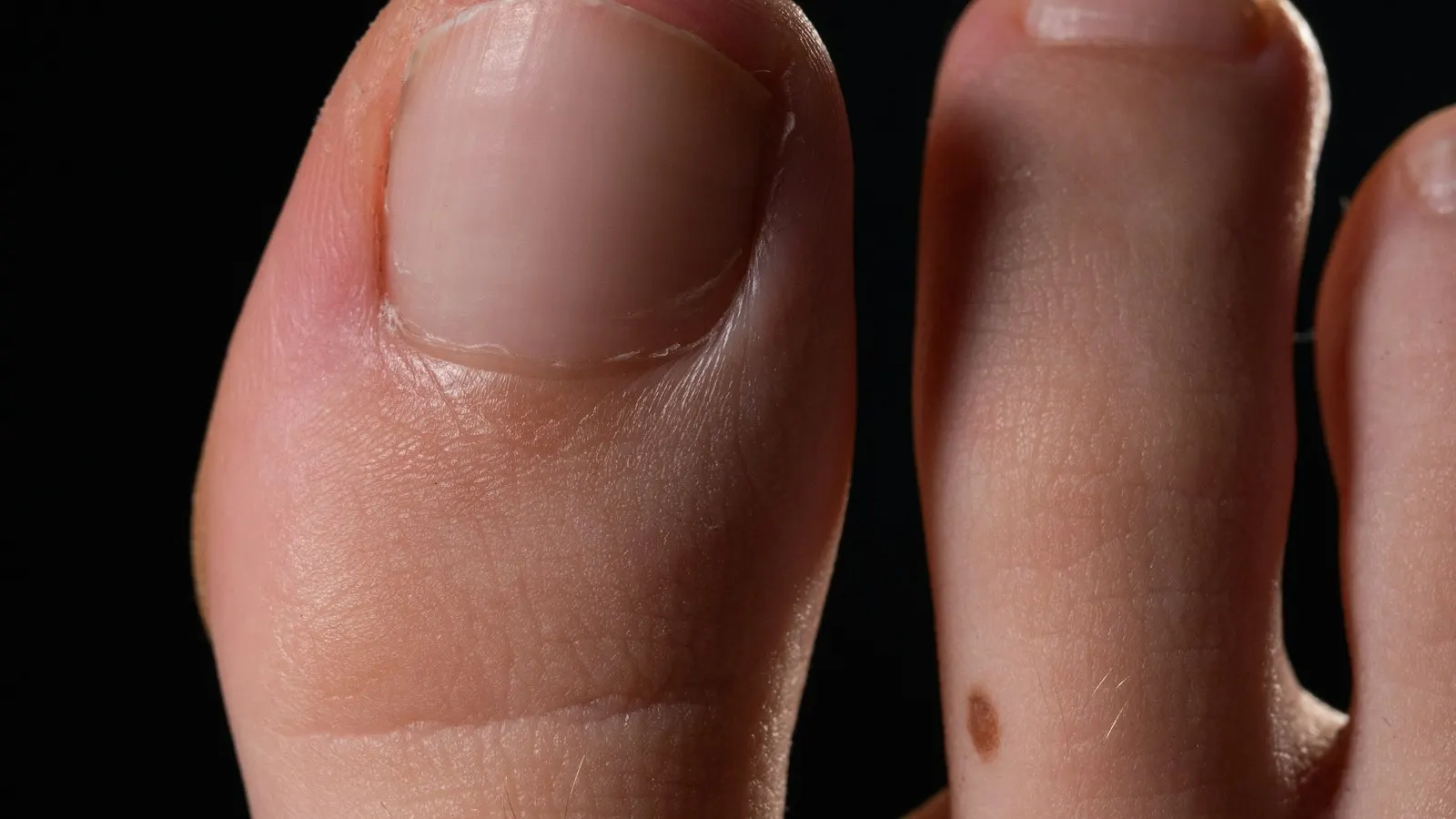
Nail fungus (onychomycosis) is an infection of the nail, most often the toenails, caused by the same dermatophyte fungi that cause athlete's foot, and sometimes by yeasts or moulds. It is slow, stubborn and very common in warm, humid places like Malaysia. The most important point is that about half of thickened or discoloured nails are not caused by fungus at all, so confirming the diagnosis before starting long treatment saves time, money and unnecessary medicine.
The short answer
Get the nail tested before treating. A doctor can send a clipping to the laboratory to confirm fungus. Mild infections may respond to a medicated nail lacquer; moderate to severe ones usually need oral antifungal tablets prescribed by a doctor.
Treatment is slow because the nail itself has to grow out: roughly three to six months for a fingernail and twelve to eighteen months for a toenail. See a doctor early if you have diabetes, poor circulation, or a painful, red or swollen nail.
What nail fungus is
Fungi enter through tiny cracks between the nail and the skin, or through a damaged nail, and settle in the nail bed and plate, where they feed on keratin. The nail is not a hostile environment for them: it is dark, often warm and moist inside shoes, and has little blood supply, so the immune system reaches it poorly. This is why nail fungus can last for years and why treatment is slow.
Signs of nail fungus
- Thickened nail that is hard to trim.
- Yellow, white, brown or greyish discolouration, often starting at the tip or the side.
- Crumbly, brittle or ragged edges.
- Nail lifting away from the nail bed, with chalky debris underneath.
- Distorted shape, and sometimes a slight smell.
- Usually no pain at first, though thick nails can press against shoes.
It often starts in one nail and spreads to others. Many people also have athlete's foot at the same time, and that can re-infect the nails.
Is it really fungus?
| Cause | What it can look like |
|---|---|
| Nail fungus | Thick, yellow-brown or white nail, crumbling edges, debris under the nail, often a few nails and often with athlete's foot. |
| Injury or repeated pressure | One thick or discoloured nail after a knock or from tight shoes, with no spread. Common on the big toe or in runners. |
| Nail psoriasis | Pitting, ridges, salmon-pink "oil spot" patches under the nail, often with psoriasis elsewhere. |
| Eczema or dermatitis | Ridges and rough nails in people with hand eczema; often fingernails. |
| Lichen planus | Thinning, ridging and splitting, sometimes with scarring of the nail fold. |
| Bacterial infection | Green or black discolouration, with a painful, red nail fold. |
| Dark streak | A brown or black band along the nail can be a mole or, rarely, melanoma. Any new or changing dark streak needs a doctor. |
Because these look alike, guesses are often wrong. A nail that looks like fungus but is something else will not improve with antifungals.
Who gets nail fungus
- People with athlete's foot that has been untreated.
- Older adults, as nails grow more slowly and thicken with age.
- People with diabetes, poor circulation or a weakened immune system.
- Those who wear closed shoes for long hours, such as factory, construction and security staff.
- People who walk barefoot in wet communal areas, or whose feet and hands are often wet.
- Those with a nail injury or who do repeated nail manicures or pedicures with unclean tools.
Getting a diagnosis
A doctor will look at the nail and the surrounding skin, ask about your health and footwear, and, if possible, take a small clipping or scraping of the nail and send it for a fungal test, either looking under a microscope or growing it in a culture. Results can take from a few days to a few weeks. Testing is especially worthwhile before oral treatment, which can affect the liver and interact with other medicines.
Treatment
What the options are
- Medicated nail lacquer (such as amorolfine or ciclopirox). Applied once or twice a week for many months. Best for mild infections affecting the tip of up to about half of one or two nails, with no involvement of the nail base.
- Oral antifungal tablets such as terbinafine, usually taken daily for about six weeks for fingernails and about twelve weeks for toenails, as prescribed. These are the most effective option for moderate to severe infection, but they are prescription medicines and may interact with other drugs. Your doctor will ask about liver disease, other medicines and pregnancy.
- Other tablets such as itraconazole, in some cases, as advised by a doctor.
- Nail trimming and debridement. Regularly trimming or filing the thickened nail, sometimes done by a doctor, helps medicine reach the infection and reduces pain.
- Treating the feet too. Treat athlete's foot at the same time, or the nails will be re-infected.
Cure rates are good but not perfect, and the infection can return, so many doctors combine treatments and give advice about prevention. Laser and light devices are sometimes advertised for nail fungus, but the evidence for them is limited and they are not a first-line option.
Do
- Confirm the diagnosis before long treatment.
- Complete the full course, even when nails look better.
- Trim nails straight across and keep them short.
- Disinfect or replace shoes and socks.
- Tell your doctor about all medicines and supplements you take.
Don't
- Take oral antifungals without a prescription or medical check.
- Expect results in weeks: the nail has to grow out.
- Use vinegar soaks, tea tree oil, or herbal pastes as a substitute for proven treatment.
- Cut, dig or file aggressively around painful nails.
- Share nail clippers, files or footwear.
Prevention
- Treat athlete's foot early and fully.
- Keep feet clean and dry; dry between the toes after washing.
- Wear breathable shoes, rotate pairs, and change damp socks.
- Wear sandals in communal showers, pools and changing rooms.
- Use your own nail tools, and choose salons that sterilise their instruments.
- Keep nails short and clean, and avoid trauma to them.
When to see a doctor
See a doctor if the nail is changing colour or shape and has not improved, if several nails are affected, or if you are not sure it is fungus. Go sooner if you have diabetes, poor circulation or a weak immune system, if the nail is painful, red, swollen or oozing, the skin around it is infected, or you notice a dark streak in the nail that is new or changing.
DSH doctors are primary care doctors focused on skin, hair and scalp health, who assess common nail problems, arrange tests and refer when needed. Find your nearest branch on our skin clinic Penang home page, or book an appointment. Related reading: fungal and bacterial infections and our guide to ringworm.
Frequently asked questions
How long does nail fungus take to clear?
The nail has to grow out completely, which takes about three to six months for fingernails and twelve to eighteen months for toenails. You may see healthy nail growing from the base within a few months of starting effective treatment.
Can nail fungus go away on its own?
Rarely. It usually persists and can spread to other nails or to the skin of the feet if it is not treated. Treatment is easier when it is started early and the infection is mild.
Do I need a test before treatment?
It is strongly advised. Many thickened or discoloured nails are caused by injury, psoriasis or other problems, and antifungals will not help those. A nail test is especially important before taking tablets.
Are antifungal tablets safe?
They are safe for most people when prescribed and monitored, but they can affect the liver and interact with other medicines. Your doctor will check your health and medicines first, and may arrange blood tests. They are not suitable in pregnancy.
Will nail fungus come back?
It can, particularly if athlete's foot is not treated, shoes stay damp, or you walk barefoot in shared wet areas. Prevention habits, treating the feet and replacing or disinfecting shoes reduce the risk.
Is nail fungus contagious?
Mildly. It can spread to other nails and to other people through shared floors, towels and nail tools. Sensible hygiene, treating infection promptly and not sharing tools or footwear limits the spread.
Nails that look different?
Have a doctor take a look and arrange a nail test if needed. We will tell you whether it is fungus or something else. No referral needed.
Fungal infection treatmentContact us