
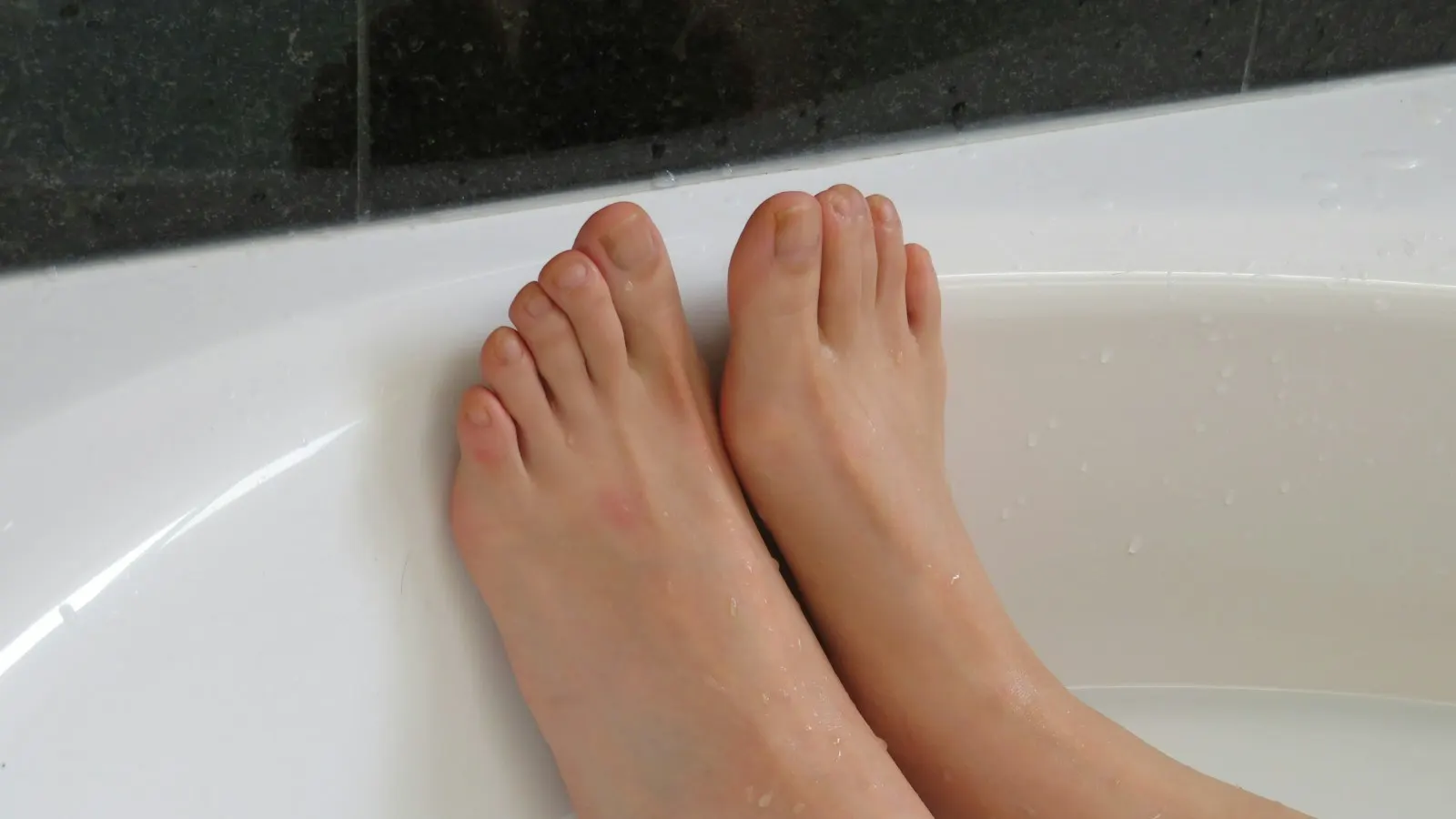
Athlete's foot (tinea pedis) is a fungal infection of the skin of the feet, most often between the toes. It is caused by dermatophyte fungi that feed on keratin, the protein in the outer layer of skin, and thrive when feet stay warm, damp and enclosed. In Malaysia's climate, with closed work shoes, school shoes, sports and frequently wet feet, it is extremely common. It usually responds well to antifungal treatment, as long as you finish the course and dry your feet properly.
The short answer
Apply an antifungal cream to the whole area and a little beyond it, every day, for the full time on the pack — usually two to four weeks — and keep your feet dry. Stopping as soon as the itch settles is the commonest reason it returns.
See a doctor if it is not clearing after two weeks of proper treatment, it involves the nails, you have diabetes or poor circulation, or the foot becomes red, swollen, hot or painful.
What athlete's foot is
The fungi responsible live on skin, in socks and shoes, and on damp floors in changing rooms, shower areas, mosques and gyms. You do not need poor hygiene to catch it. Warm, moist skin that stays covered for hours gives the fungus the conditions it needs, and small cracks in the skin let it in. It spreads by direct contact and by shared towels, floors and footwear, and can spread from the feet to the groin (jock itch) or the nails.
Signs and the three common types
- Between the toes (most common). Itchy, red, peeling or soggy white skin, often between the fourth and fifth toes, which may crack and sting.
- Moccasin type. Dry, scaly, thickened skin across the soles and sides of the feet, with little itch, often mistaken for dry skin.
- Blistering type. Small, itchy blisters, usually on the arch or sole, which dry and peel.
Common clues: itching that is worse after taking off shoes and socks, a mild odour, burning or stinging, and one foot or both feet affected, often unevenly. If the rash also appears on the hands, groin, or nails look thick and discoloured, mention that to your doctor.
Look-alikes
| Condition | How it differs |
|---|---|
| Athlete's foot | Usually starts between the toes or on one sole; scaling, itching, sometimes cracking. Responds to antifungals. |
| Eczema or contact dermatitis | Often both feet and the tops of the feet; may follow a new shoe, sock or product. Not helped by antifungals alone. |
| Psoriasis | Well-defined thick scaly plaques, often elsewhere on the body or nails too. |
| Dry cracked heels | Hard, cracked skin on the heels without itch or redness between the toes. |
| Bacterial infection | Painful, red, swollen or oozing skin with a bad smell, sometimes with fever. |
| Sweat rash or blisters | Small clear blisters on the sides of fingers and soles that itch intensely and come in bursts. |
Because several conditions look alike, and treating the wrong one with the wrong cream wastes time, a doctor can confirm the diagnosis, sometimes by scraping a little skin and examining it. See also our guide to fungal and bacterial infections.
Treatment
- Use an antifungal cream, spray or powder such as terbinafine, clotrimazole, miconazole or similar, from a pharmacy or on a doctor's advice. Apply to clean, dry skin.
- Cover the whole area and about two centimetres beyond it, including between and under the toes.
- Keep going for the full course. Terbinafine-type creams often need one to two weeks, azole creams two to four weeks. Continue for about one to two weeks after the skin looks normal unless the pack says otherwise.
- Dry your feet thoroughly after washing, especially between the toes. A hairdryer on a cool setting helps.
- Change socks daily, or more often if they get damp, and wash them hot.
- Treat your shoes too. Let them air out for a day between uses, and consider an antifungal powder or spray in them.
If your feet are inflamed, cracked or the infection is extensive, or it keeps coming back, a doctor may prescribe a stronger cream or, for stubborn or widespread cases and nail involvement, tablets. Tablets need a proper diagnosis and sometimes blood tests, so they are not for self-treatment.
Prevention
Habits that keep it away
- Dry between the toes every time you wash or wet your feet, including after prayer ablutions, showers, swimming and rain.
- Choose breathable footwear and rotate shoes so each pair dries fully.
- Wear cotton or moisture-wicking socks and change them when damp.
- Do not walk barefoot in wet shared areas, such as gym showers, pool decks and public bathrooms; wear sandals.
- Use your own towel and do not share nail clippers or footwear.
- Treat nail or groin infections at the same time, as they re-seed the feet.
Mistakes that make it last longer
Do
- Complete the full course of antifungal.
- Wash and dry feet daily.
- Treat both feet, even if only one looks affected.
- Throw out or wash old insoles and socks.
- Get a diagnosis if it does not clear.
Don't
- Stop treating the moment it stops itching.
- Use a steroid cream on its own — it can calm it for a while while the fungus spreads.
- Put toothpaste, vinegar, lime or herbal pastes on cracked skin.
- Scratch or peel the skin, which opens it to bacterial infection.
- Walk barefoot in shared wet areas while infected.
Higher-risk groups
- People with diabetes. Cracks in the skin can become serious infections or ulcers, especially when feeling in the feet is reduced. See a doctor early for any foot skin problem.
- People with poor circulation or weakened immunity.
- People who wear boots or closed shoes all day, including factory staff, construction workers and military personnel, who need extra attention to drying and rotation.
- Anyone with recurring infection, which may point to a nail infection, a damp-footwear problem or an underlying condition.
When to see a doctor
See a doctor if the rash is not clearing after two weeks of proper treatment, comes back repeatedly, involves the toenails (thick, yellow, crumbling), spreads to the hands or groin, or you are not sure it is athlete's foot. Go the same day if the foot is red, hot, swollen or painful, there is pus, a red streak up the leg, or you have a fever, because this may be a bacterial infection such as cellulitis that needs prompt treatment.
DSH doctors are primary care doctors focused on skin, hair and scalp health, who treat common fungal infections and refer when needed. Find your nearest branch on our skin clinic Penang home page, or book an appointment. You may also like our guide on ringworm and fungal skin infections.
Frequently asked questions
How long does athlete's foot take to clear?
With a correct antifungal, most cases improve within one to two weeks and clear within two to four weeks. Continue for the time on the pack, and for a week or two after the skin looks normal, to prevent a quick relapse.
Is athlete's foot contagious?
Yes. It spreads through direct contact and via shared floors, towels, socks and shoes. You can also spread it from your feet to your groin or nails, so wash your hands after applying cream and use your own towel.
Can I use the same cream on my nails?
Creams do not usually reach infected nails well. Nail fungus often needs a stronger or longer treatment, and sometimes tablets, so see a doctor if your nails are thick, yellow or crumbling.
Should I throw away my shoes?
Not necessarily. Air them out between uses, wash removable insoles, rotate pairs and use an antifungal powder or spray inside. Replace shoes that stay damp or smell strongly.
Can I use a steroid cream for itchy feet?
Not alone. A steroid cream can ease the itch and redness for a short time while the fungus keeps growing, and it can change how the rash looks so it is harder to diagnose. Use it only if a doctor advises, usually combined with an antifungal.
Why does it keep coming back?
Common reasons are stopping treatment too early, damp shoes and socks, untreated nails or groin infection, and walking barefoot in shared wet areas. Treating all of these together usually ends the cycle.
Feet that will not stop itching?
Have a doctor take a look. We will tell you whether it is a fungal infection or something else, and what to use. No referral needed.
Fungal infection treatmentContact us