
Prickly heat, also called heat rash or miliaria, happens when sweat gets trapped under the skin because the sweat ducts are blocked or too narrow to carry it to the surface. The trapped sweat leaks into surrounding skin and causes tiny red bumps or clear blisters, often with a prickling, stinging itch. It is not an infection, it is not contagious, and it usually settles within a few days once the skin is cool and dry. The key is to cool down, not to smother the rash in creams.
The short answer
Cool the skin, keep it dry, wear loose cotton clothing, and avoid heavy creams and oils that block sweat ducts. A lukewarm shower, a fan or air-conditioning and calamine lotion can calm the itch.
See a doctor if the rash lasts more than about a week, becomes pustular or painful, or comes with fever, and see a doctor urgently for a baby who is unwell or for signs of heat exhaustion.
What prickly heat is
Skin sweats to cool the body. Sweat travels up a tiny duct to the surface. In hot, humid weather, heavy sweating, tight or synthetic clothing, thick creams, or bedding that traps heat, the outer end of the duct can swell shut. Sweat then collects under the skin or leaks into the deeper layers, causing inflammation. Babies are especially prone because their sweat ducts are immature, and many adults who work outdoors, exercise or wear uniforms and helmets also get it often.
Types of prickly heat
| Type | What it looks like | Itch or discomfort |
|---|---|---|
| Crystalline (miliaria crystallina) | Tiny clear, dew-like blisters on the surface that break easily. | Usually none |
| Red (miliaria rubra) | Clusters of small red bumps or blisters; the commonest type, often called prickly heat. | Prickling, stinging or itching |
| Pustular (miliaria pustulosa) | Red bumps that have become filled with pus, sometimes after scratching or when the area is infected. | Sore and itchy |
| Deep (miliaria profunda) | Flesh-coloured firm bumps; follows repeated red heat rash; uncommon. | Mild; sweating is reduced in the area |
Where it appears
- In babies: neck, chest, back, shoulders, skin folds, armpits, nappy area, and sometimes the face and scalp.
- In adults: back, chest, underarms, groin, under the breasts and in skin folds, and anywhere clothing, straps, a helmet or a uniform presses and traps sweat.
- In people who are bed-bound or wear plasters and dressings, the skin under them.
The rash tends to appear within hours of heavy sweating, and often fades as quickly once you cool down. For a wider look at how Malaysia's climate affects skin, see our guide on why rashes flare in the heat and humidity.
Cooling and treatment
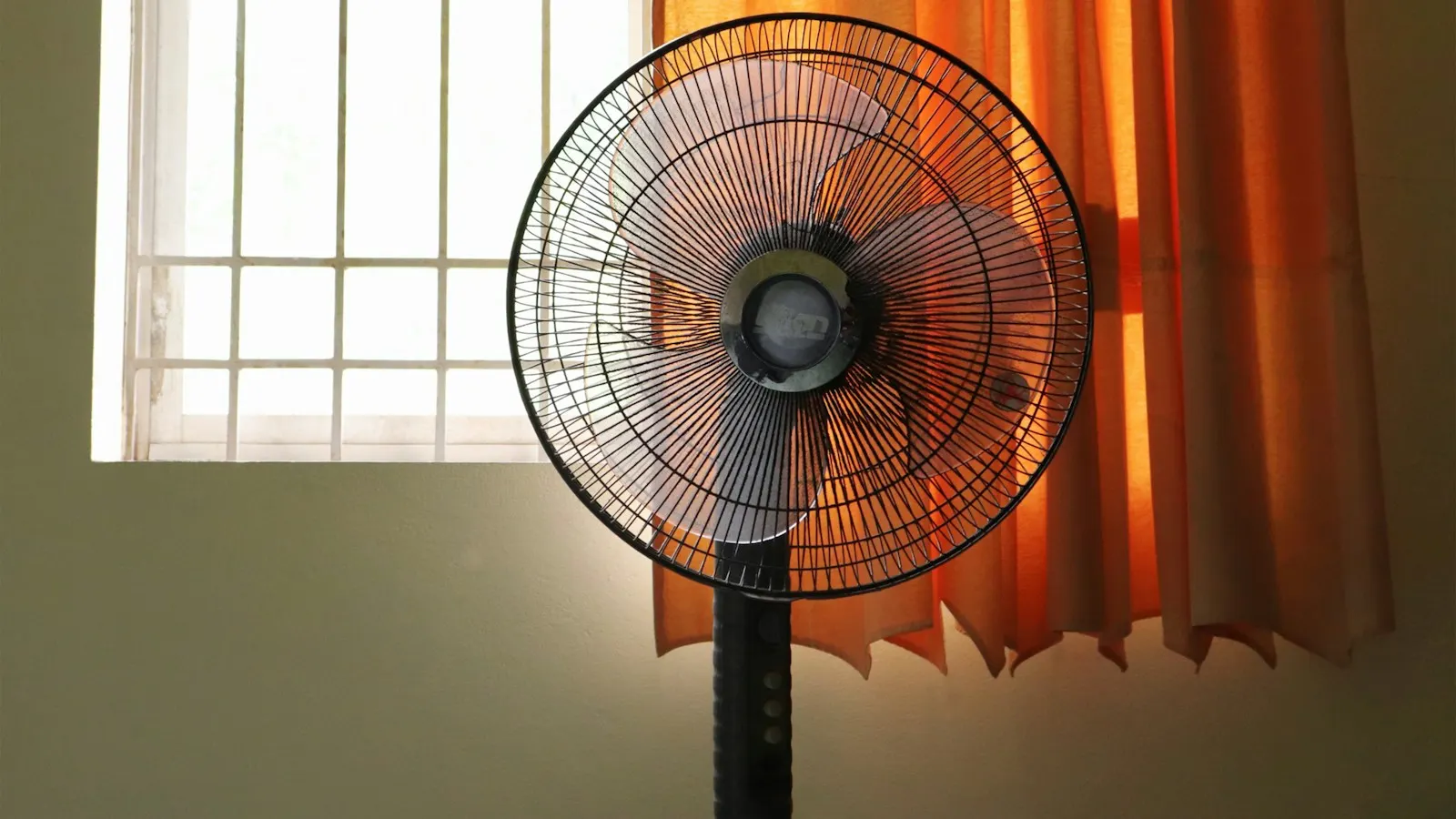
- Get cool. Move into a shaded, ventilated or air-conditioned room, and use a fan to keep air moving over the skin.
- Take a lukewarm shower and let the skin air-dry or pat it dry gently. Avoid hot water and vigorous rubbing.
- Wear loose, breathable clothing, preferably cotton, and change out of damp clothes promptly.
- Apply a cool, damp cloth to itchy areas for 10 to 15 minutes.
- Use calamine lotion or another light, water-based product if it soothes the itch.
- Keep skin folds dry and let air reach them.
- Ask a doctor or pharmacist about a short course of mild steroid cream if the rash is very inflamed and itchy. It is not usually needed for simple heat rash.
A rash that is clearly prickly heat usually fades within two to four days once the skin is kept cool. If you need to keep being hot, for example at work, plan breaks, shade, fans and a change of clothing during the day.
Babies and children
- Do not overdress or swaddle. A baby generally needs about one light layer more than an adult needs to be comfortable; in Malaysia's climate that is often a thin cotton garment.
- Use a fan or air-conditioning, pointed so it does not blow directly on the baby.
- Change sweaty clothes and bedding and lay the baby on a clean, light cotton sheet.
- Wash gently with lukewarm water, using as little soap as possible, and pat dry.
- Keep the nappy area clean and dry, with frequent changes and nappy-free time. See our guide to diaper rash.
- Avoid talcum powder, which a baby can inhale and which does not prevent heat rash.
What to avoid
Do
- Cool down first; the rash follows the heat.
- Use light, loose cotton clothing.
- Drink enough water in hot weather.
- Keep nails short and avoid scratching.
- Change damp clothes and wash after sweating.
Don't
- Apply thick creams, petroleum jelly, baby oil or heavy lotions on the rash, which can block more ducts.
- Use scented or medicated soaps and strong antiseptic washes.
- Wear tight, synthetic or waterproof clothing against the rash.
- Scratch or burst blisters.
- Use herbal pastes or home remedies on broken skin.
Is it something else?
| Condition | How it differs |
|---|---|
| Prickly heat | Tiny red dots or clear blisters after sweating and heat; clusters in sweaty areas; settles when cool. |
| Folliculitis | Tender pimples or pustules centred on hair follicles; may follow shaving or friction. |
| Eczema | Dry, scaly, very itchy patches in creases; not triggered only by sweating and lasts longer. |
| Fungal infection | Ring-shaped or scaly patch with a clearer centre, often in folds or groin. See fungal infections. |
| Allergic or contact rash | Red, itchy area matching a new product, fabric or plant. |
| Viral rash | Widespread pink spots with fever or a sore throat, especially in children. |
When to see a doctor
- The rash has not improved after about a week of keeping cool, or keeps coming back.
- The bumps become pustules, crusted, painful or swollen, or there is oozing.
- There is fever, or the rash is spreading beyond the sweaty areas.
- Your baby is unwell, feeding poorly, unusually drowsy or has a rash with fever, particularly if under three months old.
- You are not sure whether it is heat rash, eczema or an infection.
Heat exhaustion and heat stroke: act fast
Heavy sweating, headache, dizziness, nausea, muscle cramps and a fast pulse suggest heat exhaustion: move to a cool place, loosen clothing, sip fluids and cool the skin. Confusion, fainting, a very high temperature, or hot, dry skin can mean heat stroke, which is an emergency. Call for an ambulance or go to the nearest hospital emergency department immediately.
DSH doctors are primary care doctors focused on skin, hair and scalp health. Find your nearest branch on our skin clinic Penang home page, or book an appointment. You may also like our guide to allergy rashes.
Frequently asked questions
How long does prickly heat last?
Mild prickly heat usually fades within two to four days once the skin is kept cool and dry. A deeper or infected rash can take longer, and the rash will return if you keep sweating heavily under the same conditions.
Is prickly heat contagious?
No. It is caused by blocked sweat ducts, not by a germ, so it cannot be passed on. If the rash becomes infected with bacteria after scratching, the infection itself may need treatment.
Can I put powder on prickly heat?
Powder is not recommended, especially for babies, as it can be inhaled and can cake in skin folds. Cooling and keeping skin dry works better.
Should I use a cream or ointment?
Heavy creams and ointments can trap sweat and worsen the rash. A cool compress, calamine lotion or a light water-based product is better. A doctor can advise a short course of mild steroid cream for severe itch.
Why does my baby get prickly heat so easily?
Babies have immature sweat ducts that block easily, and they are often overdressed or swaddled. Light cotton clothing, a cool room and regular washing and drying reduce it.
When is a rash in the heat an emergency?
A rash with high fever in a baby, or any heat-related illness with confusion, fainting, hot dry skin or collapse, needs urgent medical care. Do not wait.
Heat rash that will not settle?
Have a doctor take a look. We will tell you whether it is prickly heat or something else, and what to use. No referral needed.
Allergy rash treatmentContact us