
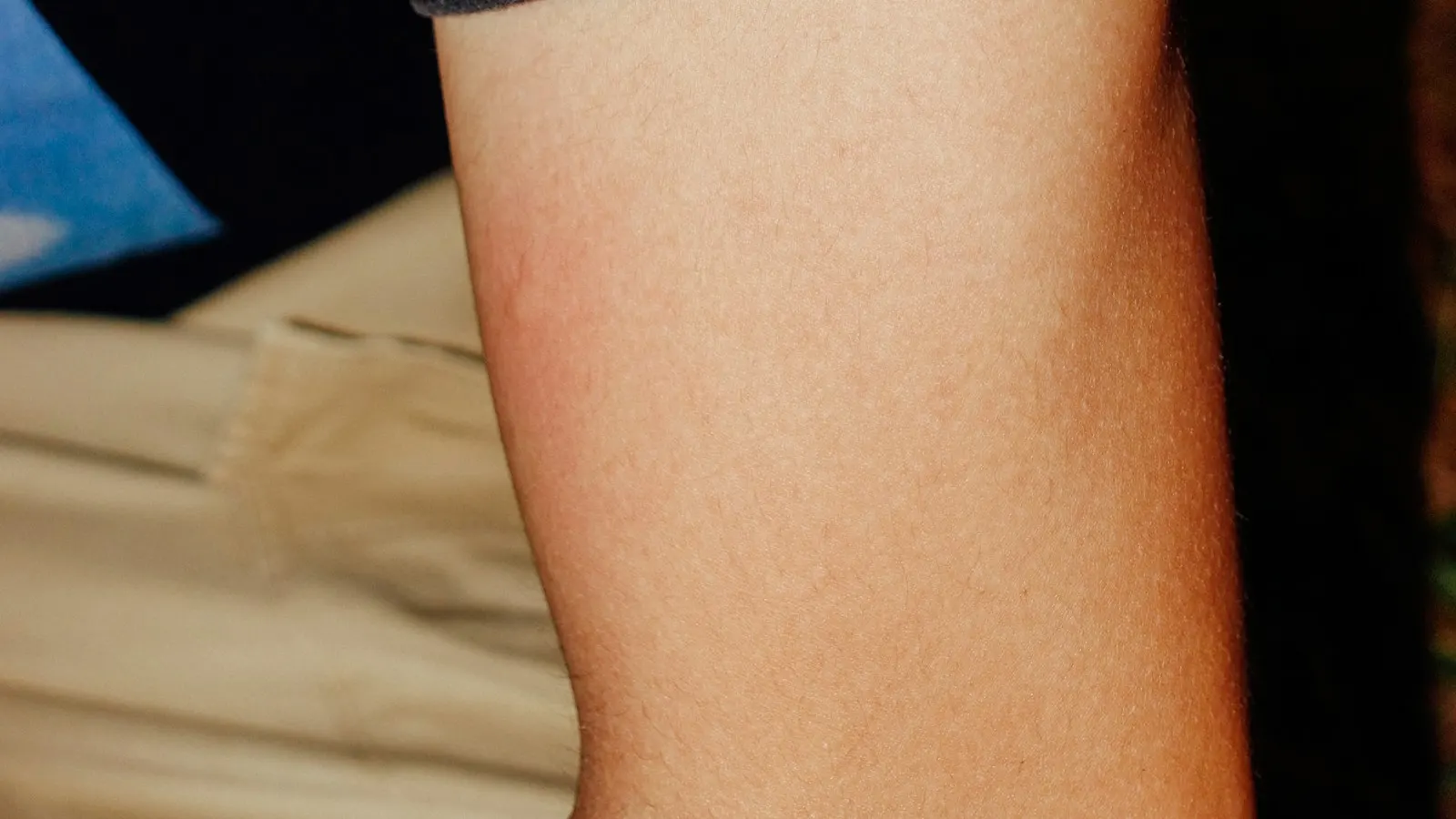
Most rashes in Sungai Petani turn out to be heat rash, contact irritation, an eczema flare, hives or a fungal infection — all common, all treatable. What makes them hard to diagnose is not the rash itself but what happens before the visit: a steroid cream from the pharmacy, a herbal paste, a day of scratching. This guide covers what to do, and what to leave alone, so the doctor sees the rash as it really is.
The short answer
Keep the area clean, cool and untouched; take clear photos; note when it started and what changed; and see a doctor if it lasts more than a few days, keeps spreading or keeps returning.
Go to a hospital emergency department the same day if the rash comes with swelling of the face or tongue, trouble breathing, high fever, or dark spots that do not fade when pressed.
What to do in the first 24 hours
You do not need to treat a new rash immediately. In the first day, the goal is to calm it and avoid making it harder to read:
- Cool it down. Sit in a cool, ventilated room or under a fan, and take a lukewarm (not hot) shower. Heat and sweat make nearly every rash itch more.
- Wash gently. Use plain water or a mild, fragrance-free cleanser, then pat dry — do not rub.
- Stop new products. Pause any new soap, lotion, laundry detergent, hair dye, perfume or supplement you started in the past two weeks. A new product is one of the commonest hidden triggers.
- Wear loose cotton. Tight or synthetic clothing traps sweat against the rash.
- Do not scratch. Short, clean nails and a cold, clean cloth held on the patch help more than scratching, and broken skin is how a simple rash becomes an infected one.
- Take photos now. Rashes change by the hour. A photo taken in good daylight today is worth more to a doctor than your description tomorrow.
What to note before you go
Doctors diagnose most rashes from the story plus the examination. Write these down on your phone before the visit:
Useful details to bring
- When it started and where on the body it began.
- Whether it itches, burns or hurts — and whether it is worse at night.
- How it has changed: spreading, blistering, peeling, or coming and going within hours.
- Anything new: food, medicines (including traditional or herbal), cosmetics, detergents, pets, plants, or travel.
- Others at home with the same rash — this points towards scabies or an infection rather than an allergy.
- Fever, tiredness, sore throat or joint pain alongside the rash.
- Everything you have already applied or taken, including the tube or packet if you still have it.
What not to put on a rash
The single most useful thing to avoid is anything left over or recommended by a friend. These are the habits that most often cause trouble:
Do
- Use a plain, fragrance-free moisturiser on dry, itchy skin.
- Keep the area cool, dry and uncovered where possible.
- Take photos and record the timeline.
- Wash new clothes and bedding in a mild detergent.
- See a doctor if it is not clearly improving in a few days.
Don't
- Apply a steroid cream from a previous prescription without a diagnosis — on a fungal rash it can make it spread and look different.
- Put toothpaste, lime, herbal pastes or "natural" remedies on broken skin.
- Use antiseptic liquids or strong soaps repeatedly — they dry and irritate.
- Scrub, pick or pop blisters and bumps.
- Take leftover antibiotics or share creams with family.
Steroid creams are useful medicines, and many rashes need them — but they work best when the diagnosis is right. A cream that helps eczema can worsen ringworm, and a rash treated with the wrong cream for a week can be much harder to recognise afterwards.
Common causes of rashes
You cannot reliably diagnose your own rash, but knowing the usual suspects helps you describe it:
| Cause | What it often looks like |
|---|---|
| Heat rash | Tiny, itchy or prickly red dots where sweat is trapped — neck, back, chest, skin folds — often within hours of heat and sweating. |
| Contact dermatitis | Red, itchy or sore patch exactly where something touched: a watch strap, a new detergent, a plant. The shape often matches the cause. |
| Eczema flare | Dry, intensely itchy patches in skin creases, behind the knees, inside the elbows or on the hands. Often recurring. |
| Hives | Raised, itchy welts that appear, move and fade within hours, leaving normal skin behind. |
| Fungal infection | Ring-shaped or scaly patch with a clearer centre and an active edge; groin, feet, body folds. |
| Insect bites or scabies | Clusters of itchy bumps; scabies itches worst at night and often affects several people at home. |
| Allergic or drug reaction | Widespread itchy red rash after a new food or medicine, sometimes with swelling. |
| Viral rash | Flat or slightly raised pink spots, often with fever or a sore throat, especially in children. |
Heat, sweat and humidity
Kedah is hot and humid for most of the year, and that matters for rashes in three ways. First, sweat trapped under clothing, a helmet, a school uniform or a work vest causes heat rash and irritant dermatitis. Second, warmth and moisture are what yeasts and fungi need, so fungal infections thrive in skin folds and feet. Third, constant air-conditioning followed by outdoor heat dries and irritates skin, which can trigger eczema in people already prone to it.
If you notice that your rash appears or worsens on hot days, after exercise, or after long hours in work clothing, tell your doctor — it narrows the diagnosis considerably.
Red flags: when not to wait
Go to the emergency department at your nearest hospital the same day if:
- Face, lips, tongue or throat swelling, wheezing, or difficulty breathing or swallowing.
- Dark red or purple spots that do not fade when you press a clear glass against them, especially with fever.
- High fever with a rapidly spreading rash, or you feel very unwell, drowsy or confused.
- Widespread blistering or peeling, or sores in the mouth, eyes or genitals.
- A painful, hot, quickly spreading red area, which may be a skin infection needing urgent antibiotics.
- A new rash soon after starting a new medicine, together with fever or mouth sores.
For a baby under three months with a new rash and fever, do not wait either. Everything else — itchy, bothersome, but without these signs — can usually be assessed at a clinic within a day or two.
Seeing a doctor in Sungai Petani
A good consultation for a rash covers four things: a careful history, a proper look at the skin (including areas you did not mention), a clear diagnosis or a plan to find one, and advice on what to use and what to avoid. If it is something that needs a specialist, a good doctor will say so and refer you.
DSH has a clinic in Sungai Petani: Klinik DSH Sungai Petani, A 76, Jalan Indah 1, Taman Sejati Indah, 08000 Sungai Petani, Kedah. It is open Sunday to Thursday, 8:30am to 5:30pm, and you can call 04-431 2178. Our doctors are primary care doctors focused on skin, hair and scalp health — they treat common rashes, eczema, fungal infections, acne and allergies, and refer when a condition needs specialist care. You do not need a referral letter to see them.
More about this branch is on our Klinik DSH Sungai Petani page. We also see patients across Kedah, Perak and the north — see our skin clinic Penang home page for all locations and conditions.
Related reading: eczema treatment, allergy rashes and why itching will not go away.
Frequently asked questions
How long should I wait before seeing a doctor for a rash?
If there are no red flags, a rash that is clearly improving within two to three days with cooling and gentle care can be watched. See a doctor if it is not improving after a few days, keeps spreading, keeps returning, or is stopping you sleeping or working. Any red flag — facial swelling, breathing difficulty, fever with spreading spots — means going to a hospital the same day.
Can I use a steroid cream I already have at home?
It is better not to. Steroid creams help many rashes, but on a fungal infection they can make it spread and change its appearance, which makes the diagnosis harder. Use a plain moisturiser and cooling measures until a doctor has seen it.
How do I tell heat rash from an allergy?
Heat rash shows up as tiny prickly dots where sweat is trapped, usually within hours of heat and sweating, and fades once you cool down. An allergic rash tends to be larger, itchier welts or patches that appear after a new food, medicine or product, and may come with swelling. A doctor can usually tell the difference by history and examination.
Is a rash that appears in the same place each time something serious?
Not usually. A repeat rash in the same spot often points to a contact trigger (a watch, jewellery, a cosmetic), a fungal infection in a skin fold, or eczema. It is still worth having checked so the cause can be removed instead of just treated each time.
Do I need a referral to see the doctor at Klinik DSH Sungai Petani?
No. You can walk in or call 04-431 2178 during opening hours, Sunday to Thursday, 8:30am to 5:30pm. If your condition needs a specialist, the doctor will explain why and refer you.
What should I bring to the appointment?
Photos of the rash from when it started, a list of products, foods and medicines you used in the past two weeks, the names of anything you applied, and any previous prescriptions. Wear loose clothing that is easy to remove so the doctor can see the full area.
A rash that will not settle down?
See a doctor in Sungai Petani — diagnosis first, treatment that matches, and a plan to stop it returning. No referral needed.
Klinik DSH Sungai PetaniContact us