
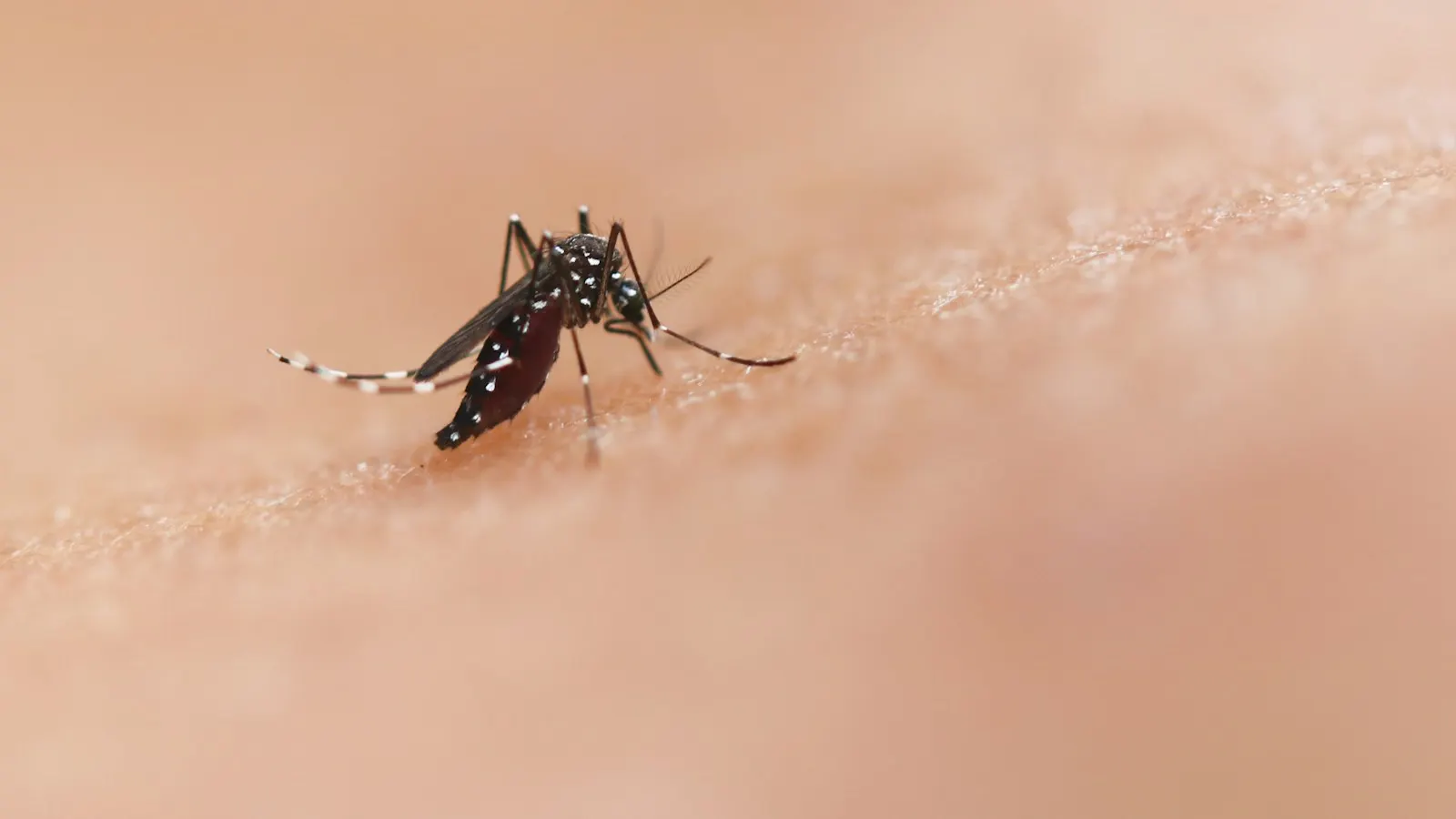
An insect bite itches because your immune system reacts to proteins in the insect's saliva. In most people the reaction is small and fades in a day or two. In some, especially young children, the reaction is exaggerated and repeated bites cause crops of itchy, raised bumps that can last for weeks. Doctors call this pattern papular urticaria. It is harmless, but the scratching can lead to infection and sleepless nights, so it is worth understanding and treating properly.
The short answer
Wash the area, cool it, and stop the scratching. A cold compress, a plain moisturiser, and a short course of a mild steroid cream or a non-sedating antihistamine, if a doctor or pharmacist advises, can calm most bites.
See a doctor the same day if bites come with fever, severe headache, pain behind the eyes, joint pain, a spreading red area, pus, or swelling of the face or lips or trouble breathing.
Why bites itch
When an insect bites, it injects saliva that contains substances to stop blood clotting and numb the area. Your body treats these as foreign and releases histamine and other chemicals, which cause redness, swelling and itching. The first bites you ever receive may cause no reaction; reactions develop as your immune system learns to recognise the saliva, and then often lessen again with long exposure.
Why some people react more
- Young children, whose immune systems are still learning, often have the biggest reactions. Papular urticaria is most common between about two and ten years of age.
- People newly exposed to a different insect, for example after moving house or travelling.
- People with eczema or allergies, who tend to have stronger skin reactions.
- Hot, sweaty skin, which attracts insects and makes itching feel worse.
Papular urticaria typically appears as small, firm, itchy red bumps, sometimes topped with a tiny blister, in groups on the arms, legs, face and other exposed skin. New bumps appear while old ones fade, and the marks can leave dark spots afterwards. A child with this reaction is often bitten at home by the same insects again and again.
Which insect bit you?
| Insect | Typical pattern |
|---|---|
| Mosquito | Raised, itchy pink or red welts on exposed skin, often at dusk, dawn or indoors; Aedes mosquitoes bite in the day and favour ankles and legs. |
| Bed bug | Itchy red bumps in lines or clusters of three or more on the face, neck, arms and hands, noticed on waking; small blood spots or dark specks on sheets and mattress seams. |
| Flea | Small, very itchy bites in groups around the ankles and lower legs; often linked to pets or carpets. |
| Mites or sand flies | Small, intensely itchy bumps, often in covered or sheltered areas or after outdoor exposure. |
| Scabies | Intense itching, worse at night, with burrows or small bumps in finger webs, wrists and waist; often several family members affected. This is not a bite. |
| Hives | Raised itchy welts that move and fade within hours, with no single bite mark. |
Relief that works
- Wash the bite with mild soap and water.
- Cool it. A clean cold, damp cloth or ice pack wrapped in a cloth for 10 minutes reduces swelling and itch.
- Do not scratch. Keep nails short and consider light cotton sleeves or gloves overnight for young children.
- Moisturise. A plain, fragrance-free moisturiser calms the surrounding skin.
- Ask about a mild steroid cream. A short course of a low-strength steroid cream on inflamed bites reduces itch and swelling. Use it only as directed and not on broken skin or the face unless a doctor advises.
- Consider an antihistamine. A non-sedating antihistamine can help with itching in some people, especially at night, but check age and dose with a pharmacist or doctor.
Do
- Treat the bites early, before scratching damages the skin.
- Look for the source — bedding, pets, mosquitoes at home.
- Keep skin cool, clean and moisturised.
- Keep nails short.
- Return if bites keep coming back.
Don't
- Scratch or burst blisters.
- Use toothpaste, lime, balms or herbal pastes on bites.
- Use strong steroid creams or old prescriptions without advice.
- Give adult medicines to young children.
- Ignore a spreading redness.
When bites become infected
Broken skin from scratching can let bacteria in. Signs include crusting or honey-coloured scabs (impetigo), pus-filled spots, a bite that becomes more painful, warm and red, or red streaks spreading from it. Infected bites need medical treatment, sometimes with antibiotics, and should be seen promptly.
Warning signs: bites that are not just bites
See a doctor the same day if:
- Fever, severe headache, pain behind the eyes, muscle or joint pain, vomiting or a new rash within days of mosquito bites. This can be dengue, which is common in Malaysia and needs a blood test and monitoring.
- Swelling of the lips, tongue, face or throat, wheezing, difficulty breathing, dizziness, or a widespread rash soon after a sting or bite — go to an emergency department immediately.
- Rapidly spreading redness, pain, pus or fever around a bite.
- A large swollen bite on a child's face or near the eye.
- A bite followed by a growing red ring or flu-like illness after being outdoors.
Prevention
Cutting down on bites
- Remove standing water around the home each week — plant saucers, buckets, gutters, discarded containers — where Aedes mosquitoes breed.
- Use screens and nets on windows and over cots; use fans, which make it harder for mosquitoes to bite.
- Wear light long sleeves and trousers outdoors at dusk and dawn, and in shaded areas during the day.
- Use a repellent with DEET, picaridin or IR3535 as directed on the label, and check age limits for infants. Apply sunscreen first, repellent second.
- Treat pets for fleas, wash bedding hot, vacuum carpets and mattress seams if fleas or bed bugs are suspected.
- Follow local dengue prevention guidance during outbreaks.
When to see a doctor
See a doctor if bites keep recurring or last for weeks, are very itchy and stopping sleep, look infected, or if you are not sure whether it is bites, scabies, hives or eczema. A doctor can tell them apart, treat the itch and any infection, and help you look for the cause. Treatment of the itch does not stop new bites, so finding the source matters.
DSH doctors are primary care doctors focused on skin, hair and scalp health. Find your nearest branch on our skin clinic Penang home page, or book an appointment. Related reading: why itching will not go away and allergy rashes.
Frequently asked questions
Why do mosquito bites swell so much on some people?
The size of the reaction depends on how strongly your immune system responds to the saliva. Young children, people new to an area, and people with allergies or eczema often have bigger, longer-lasting reactions. It is a harmless allergic-type response, but the itch can be intense.
What is papular urticaria?
It is a common, harmless condition, especially in children, where repeated insect bites cause crops of itchy raised bumps that can last for weeks. It reflects an exaggerated reaction to bites, usually from mosquitoes, fleas or bed bugs, and tends to improve as the child gets older.
How long do insect bites last?
A normal bite settles in a few days. Strong reactions, or repeated bites, can last two to three weeks, and the marks can leave dark spots that take months to fade.
Which bite treatment is best?
Cooling, moisturising and not scratching come first. A short course of a mild steroid cream and, sometimes, a non-sedating antihistamine can help more severe itching. Ask a doctor or pharmacist for the right product and dose, especially for children.
Can a mosquito bite give me dengue?
Dengue is spread by Aedes mosquitoes. Most bites do not cause it, but if you develop fever, severe headache, pain behind the eyes, body aches or a rash within about a week of being bitten, see a doctor promptly for testing.
How do I tell bed bugs from mosquito bites?
Bed bug bites often appear in lines or clusters on skin exposed during sleep and are noticed on waking, with dark specks or blood spots on the sheets or mattress seams. Mosquito bites are scattered, occur during the day or evening and are not linked to the bed.
Bites that will not stop itching?
Have a doctor check the bites. We will tell you whether it is insect bites, scabies or an allergy, and what to use. No referral needed.
Allergy rash treatmentContact us